Mold Removal & Remediation in Chino, CA — High-Water-Table & Older-Home Moisture Specialists
Chino sits on flat former dairy-land with a shallow water table near the Prado Flood Control Basin — so mold here often starts in the ground, not a burst pipe. Combined with aging plumbing in older central-Chino homes, that chronic moisture grows mold that keeps coming back until the real source is fixed. SureDry Restoration Inc. finds it and stops it.
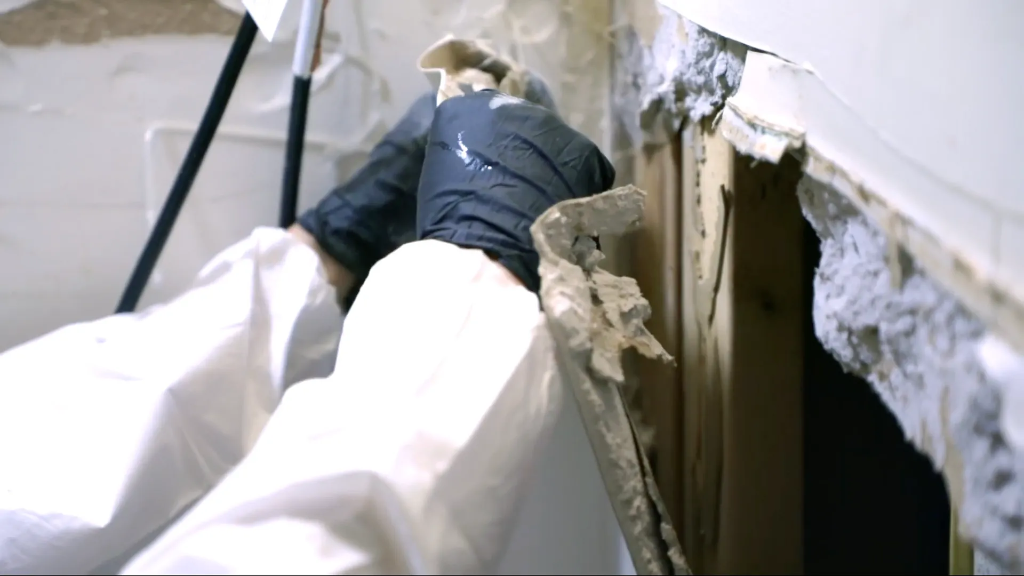
Mold Removal Experts Who Understand Chino's Ground Moisture
Chino is a flat, low-lying valley on old dairy-land grade, and it has one defining trait most restoration companies ignore: a high water table near the Prado Flood Control Basin. In the southern half of the city, groundwater sits close to the surface and pushes moisture up through slabs and foundation perimeters. Add the decades-old plumbing in pre-1980 central Chino homes, and you get a city where mold is often chronic — fed by moisture that never stops — rather than a one-time spill. SureDry Restoration Inc. is based minutes away in Pomona, and we know where Chino's moisture really comes from.
Why Chino Homes Grow Mold (It Starts in the Ground)
Mold only needs moisture to take hold, which is why the EPA says the key to mold control is moisture control. In much of Chino that moisture isn't a dramatic flood — it's persistent rising damp from a shallow water table and slow seeps from aging in-wall pipes. That's a different problem than an acute spill: the water keeps coming, so removing the mold without correcting the ground or plumbing source guarantees it returns. Get the source right and the mold has nothing to feed on.
Mold Problems We See Most in Chino
Proximity to the Prado Flood Control Basin and a shallow water table means ground moisture pushes up through slabs into bottom plates and baseboards. South-Chino homes get chronic damp-wall mold at floor level with no plumbing leak behind it.
Older galvanized, cast-iron, and early copper drain and supply lines run inside wall cavities. Decades-old pinhole seeps and sweating pipes keep framing damp and grow mold behind kitchen, bathroom, and laundry walls long before a stain shows.
On the flat former dairy-land grade, water ponds against foundations and heavy irrigation soaks the foundation perimeter, raising sub-slab humidity. That feeds mold on the earth side of exterior walls where you can't see it until it smells.
Older cooling setups and dated ductwork add indoor humidity that, combined with tight remodels, traps moisture and grows mold around registers, in closets, and on north-facing rooms — a pattern specific to Chino's older housing stock.
In The Preserve, College Park, and Sunset Trails, newer slab tracts still see under-floor and behind-appliance moisture — fridge lines, water softeners, laundry — that, undried past 24–48 hours, becomes mold under luxury vinyl plank and behind cabinet kicks.
Is Mold a Health Risk? What the CDC Says
According to the CDC, mold exposure can cause a stuffy nose, sore throat, coughing or wheezing, burning eyes, or a skin rash, and people with asthma or a mold allergy, or with weakened immune systems, may react more severely. Chronic ground-moisture mold is especially worth taking seriously because it exposes a household continuously rather than once — the low-level musty smell you stop noticing is still there.
Our Mold Remediation Process
We map the moisture — including sub-slab and foundation-perimeter readings — to distinguish rising groundwater from a plumbing seep, because the fix is different for each.
We isolate the work area so spores don't spread. Following EPA remediation guidance, larger areas get containment and negative air pressure; crews use protection matched to the size and location.
Affected porous materials that can't be cleaned are removed and bagged, and the air is scrubbed with HEPA filtration to capture spores.
Salvageable framing and surfaces are cleaned and treated with EPA-registered antimicrobials.
The step that lasts — we address the drainage, grading, or aging pipe driving the moisture, so the mold doesn't simply grow back.
We replace what we removed and confirm the area is dry and clean — one team, one contract, from inspection to final repair.
DIY vs. Calling a Pro (the EPA 10-Sq-Ft Rule)
The EPA's rule of thumb: a moldy area under about 10 square feet (a 3-by-3-foot patch) is often a DIY job, while anything larger, or anything following significant water damage, calls for a professional. Chino's rising-damp and behind-wall plumbing mold is almost always bigger than it looks and tied to an ongoing moisture source — the exact case where a proper inspection saves money over a repaint that fails in a month.
Residential & Commercial Mold Remediation in Chino
We serve homes across south Chino, The Preserve, College Park, and Sunset Trails, and the older central-Chino neighborhoods, plus businesses along Central Avenue, Riverside Drive, and the Chino industrial corridor. Because Chino mold almost always traces back to water, our Chino water damage restoration team and this mold crew are one operation — the moisture source, the mold, and the rebuild handled together. See all restoration services in Chino.
Musty Smell That Won't Go Away? Call Us First.
In Chino, that persistent musty smell usually means moisture is still feeding the mold — from the ground or an aging pipe. SureDry Restoration Inc. finds the real source, reaches most Chino addresses within the hour, and handles water and mold under one team. Call (909) 573-5760 for a mold inspection and a free estimate.