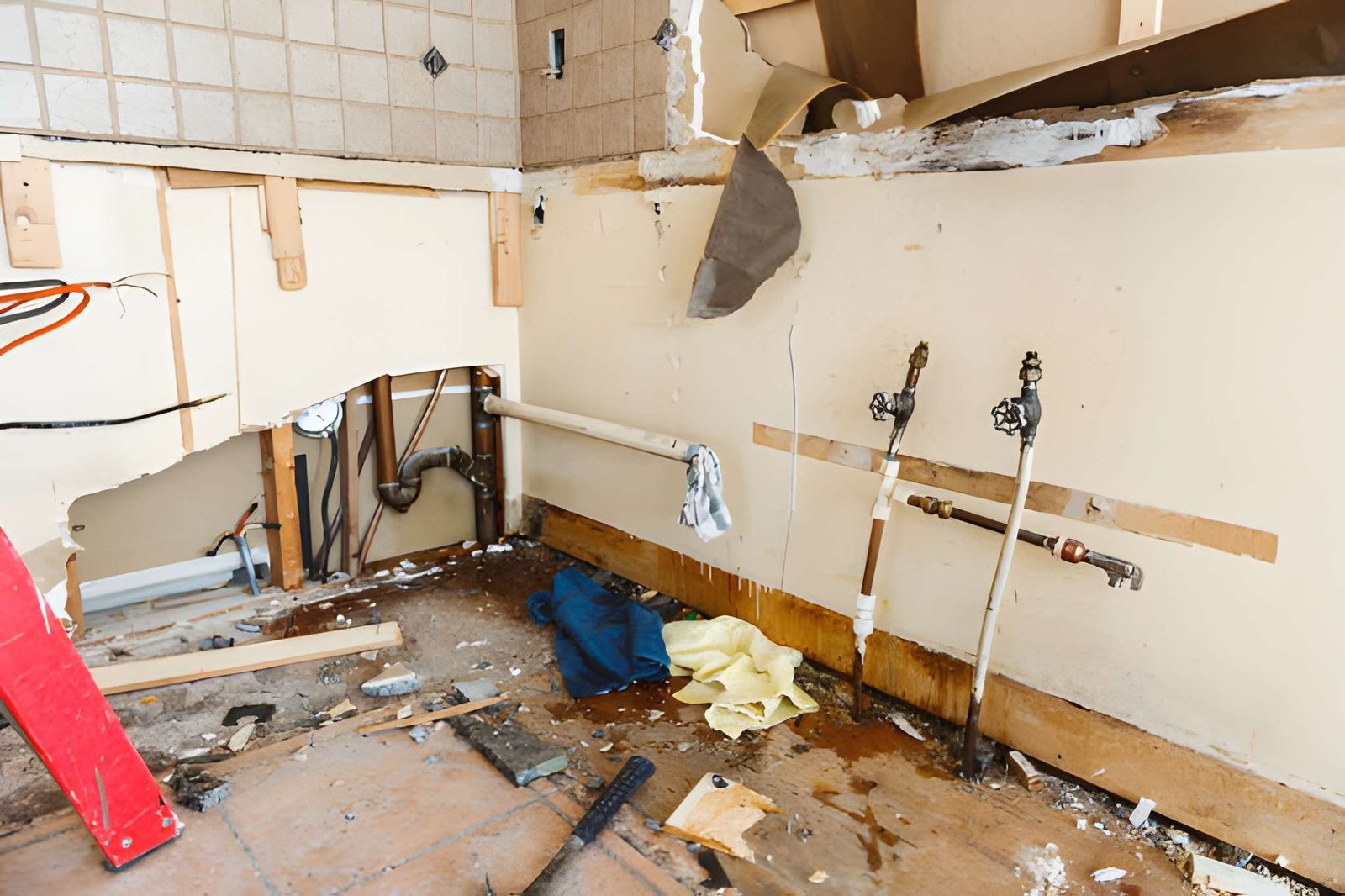
The shaking stops and your home looks fine, so you breathe easier. But inside the walls and under the slab, the pipes may tell a different story. Earthquakes crack joints and rupture lines that flood a home slowly or all at once. In Pomona and across Southern California, that hidden water damage is the quiet aftershock.
Key Takeaways
- Earthquakes can burst pipes or loosen joints, causing leaks days later.
- Damage often hides in walls, ceilings, and under the slab.
- Shutting off water after a strong quake limits the flooding.
How Earthquakes Damage Plumbing
Pipes are rigid, and the ground that holds them is not. When the earth shifts, the plumbing has to move with it. That stress is what breaks pipes and fittings.
Burst and Cracked Pipes
A strong quake can rupture a supply line outright. Smaller quakes loosen joints and crack fittings instead. Either way, water starts escaping where you cannot see.
Damage That Shows Up Later
The worst part is the delay. A loosened joint may seep for days before it shows. By then water has spread through walls and flooring.
Where the Water Hides
Earthquake leaks rarely announce themselves with a flood. They surface as damp spots, stains, and odors. Knowing where to look helps you catch them.
Inside Walls and Ceilings
Cracked pipes behind drywall release water into the cavity. You may see a stain or smell something musty first. The EPA notes mold can take hold within 24 to 48 hours of wet conditions. Its guide to mold and moisture explains the risk.
Under the Slab
Many Southern California homes sit on concrete slabs. A quake can crack the water lines running beneath them. The EPA's Fix a Leak guidance explains how hidden leaks waste water and hide for months.
What to Do After a Quake
Your first moves protect both safety and your home. Treat plumbing as suspect after any strong shaking. A quick check can prevent a slow disaster.
Shut Off and Inspect
If you suspect a break, shut off the main water valve. Watch the meter for movement with all taps closed. Look for damp spots, warm floor areas, or new stains.
Document and Call
Photograph any damage for your insurance claim. Note that earthquake coverage is usually separate from a standard policy. Then call a restoration team to find and dry the hidden water.
SureDry Restoration finds earthquake-related water damage for Pomona homeowners before it spreads. We trace the leak, dry the structure, and check for hidden moisture. You can see how our water damage restoration service responds.
When a quake has flooded your home, our flood cleanup and water extraction team removes it fast. Quick action limits the spread.
Warning Signs of Earthquake Pipe Damage
Seismic damage rarely shows up the moment the shaking stops. The clues build over the following days. Knowing them helps you catch a leak early.
What to Watch For
Damp spots on walls or ceilings are an early sign. A drop in water pressure points to a break upstream. A water meter that moves with all taps off confirms it.
Less Obvious Clues
Discolored or gritty water can follow a cracked line. A warm spot on a slab floor may mean a hot-water leak below. A musty smell often arrives before any visible damage.
Will Insurance Cover Earthquake Pipe Damage?
Coverage here is layered and easy to misread. The quake and the water are treated separately. Knowing the split helps your claim.
The Quake Versus the Water
Earthquake damage itself usually needs a separate earthquake policy. Resulting water damage from a burst pipe may still be covered by homeowners. Adjusters often handle the pipe and the water differently.
Why Documentation Matters
Photograph the damage and note the timing after the quake. Keep records of the water line and any repairs. Clear evidence supports whichever coverage applies.
Earthquake-Proofing Your Plumbing
You cannot stop a quake, but you can prepare the pipes. A few upgrades cut the risk of a flood. They pay off in seismic country.
Flexible Connectors and Shutoffs
Flexible supply connectors absorb movement that rigid pipe cannot. An automatic seismic shutoff valve stops gas and water after a strong jolt. Strapping the water heater keeps its lines intact.
Know Your Main Valve
Locate your main water shutoff before you ever need it. Keep the right tool nearby and label the valve. Fast access turns a flood into a small leak.
The First 48 Hours After a Quake
The window right after a quake decides a lot. A leak caught now stays small. A clear routine protects your home.
Inspect and Monitor
Walk the home and check walls, floors, and the meter. Recheck over the next two days for new damp spots. Delayed leaks often surface during this window.
Act on Anything You Find
Shut the main valve at the first sign of a leak. A fast Water Damage Restoration Near Me call dries hidden water before mold sets in. Quick action keeps the repair small.
Catch the Aftershock Before It Spreads
The damage an earthquake hides can cost more than what you see. Checking your plumbing early turns a disaster into a manageable repair. If shaking has hit your Pomona home, let our water damage restoration team check for hidden water damage.
Frequently Asked Questions
Can earthquakes cause pipes to burst?
Yes. Strong quakes can rupture supply lines, and smaller ones loosen joints. Leaks may appear immediately or days later.
Does insurance cover water damage from an earthquake?
It depends on your policy. Earthquake coverage is usually separate from standard homeowners insurance. Water damage from a resulting burst pipe may be treated differently, so check your policy.
How do I know if a quake damaged my plumbing?
Watch for damp spots, new stains, low water pressure, or a moving meter. A musty smell is another clue. A professional can confirm a hidden leak.
Should I shut off my water after an earthquake?
If you suspect any damage, yes. Shutting the main valve prevents a hidden break from flooding your home. Turn it back on once plumbing is checked.
Does homeowners insurance cover water damage from an earthquake-burst pipe?
The quake damage itself usually needs a separate earthquake policy. Resulting water damage from a burst pipe may still be covered by homeowners. Adjusters often treat them differently.
How can I earthquake-proof my plumbing?
Add flexible supply connectors and an automatic seismic shutoff valve. Strap the water heater so its lines stay intact. Know where your main shutoff is.